
Shipping quote request
We’ll calculate the shipping price as soon as getting your request.
You are now following Figurative. You can manage alerts in your account settings.
You have unfollowed Figurative.
Shipping quote request
We’ll calculate the shipping price as soon as getting your request.
You May Also Like
More from this Dealer
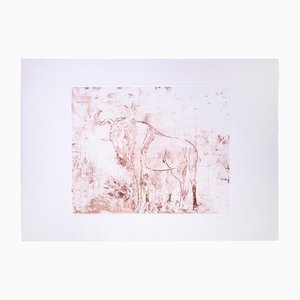
Aldo Pagliacci, Buffalo, Original Etching, 1971
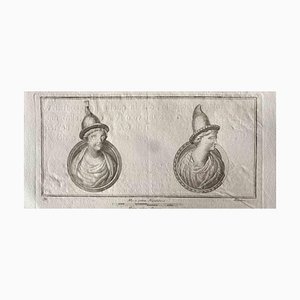
Various Masters, Roman Bust, Etching, 1750
Ministry of War, Why David Defeated Golia, Original Lithograph, 20th-Century

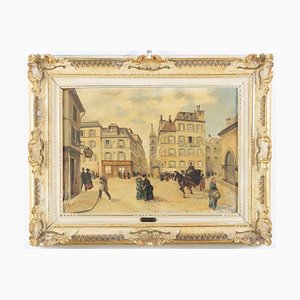
Jean Lereu, Vieille France, Painting, 19th Century
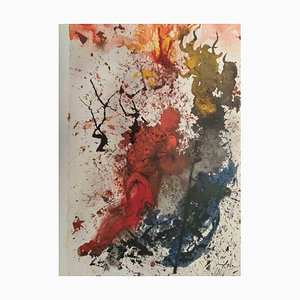
Salvador Dalí, Rubus in Combustus, Lithograph, 1964
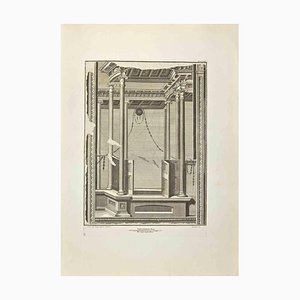
Francesco Lavega, Temple from Antiquities of Herculaneum, Etching, 18th Century
Portrait of Woman, Original Drawing, Mid-20th-Century

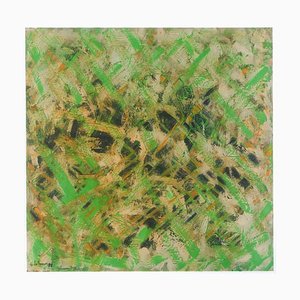
Abstract Expression - Oil Painting 1998 by Giorgio Lo Fermo 1998
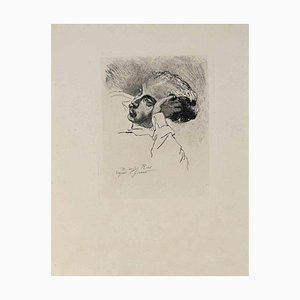
Ricardo De Los Rios, Portrait Of..., Early 20th Century
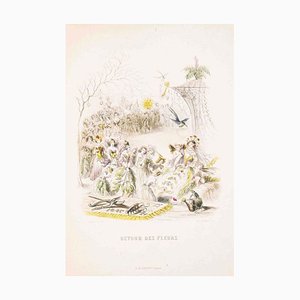
Retour des Fleurs - Les Fleurs Animées Vol. II - Litho by J.J. Grandville - 1847 1847
Gabriele Galantara, Study for the Donkey, Pencil and China Ink, 1905
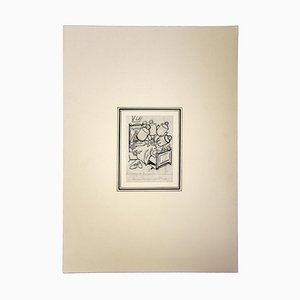
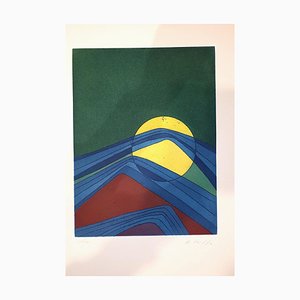
Plate II from Suns/Landscapes - Original Etching by R. Crippa - 1971/72 1971/72
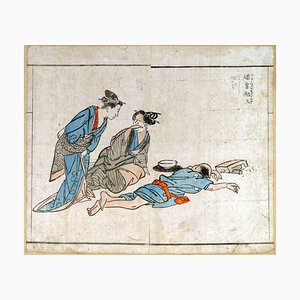
Unknown, Stupor of the Geishas, Woodcut, Late 18th Century
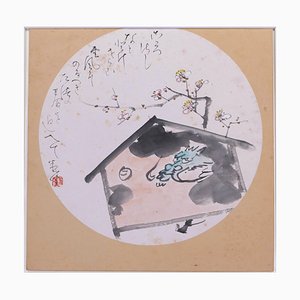
Dragon dans Maison - Original China Ink and Watercolor drawing by Yonetoshi 20th Century
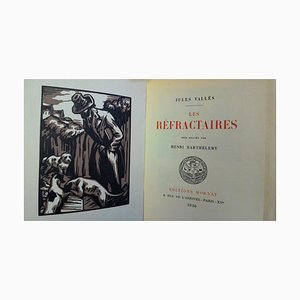
Refractories, Illustrated by Henry Bartholomew, 1930
Amnner Ship Act III, Lithograph, Pietu Zu Pettle, 20th Century
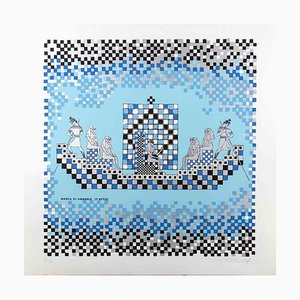
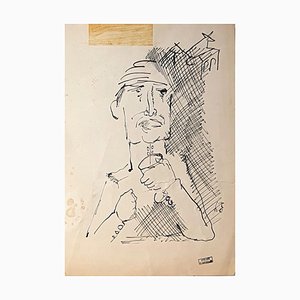
Figure - Original Ink Drawing - Mid 1900 Mid 1900
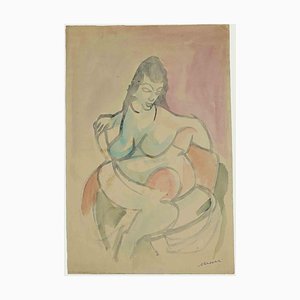
Mino Maccari, Mother and Child, Drawing, Mid 20th Century
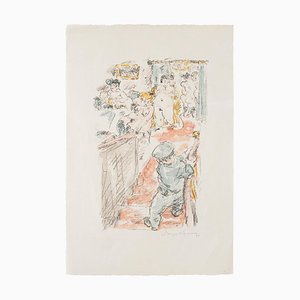
Eugen Hamm, In the Brothel, Lithograph, 1922
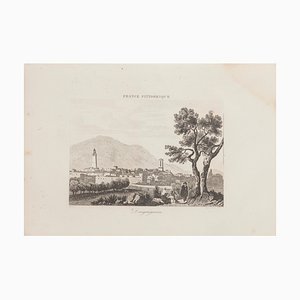
Unknown, Landscape, Lithograph, 19th Century
More Products




Get in Touch
Make An Offer
We noticed you are new to Pamono!
Please accept the Terms & Conditions and Privacy Policy
Get in Touch
Make An Offer
Almost There!
To follow your conversation on the platform, please complete the registration. To proceed with your offer on the platform, please complete the registration.Successful
Thanks for your inquiry, someone from our team will be in touch shortly
If you are a Design Professional, please apply here to get the benefits of the Pamono Trade Program